- Tech Stock Insider
- Posts
- The Streamer Got Paused, But The Cash Machine Is Still Running
The Streamer Got Paused, But The Cash Machine Is Still Running
The stock is down hard, but margins, cash flow, ads, and global content still support the rebound case.
You are not buying the old growth-at-any-cost story anymore. You are buying a dominant media platform after the market punished it for slower sales, margin questions, and a failed deal.
That reset matters. The business is still producing real cash, still growing globally, and still has pricing power. The stock now looks more interesting than the headlines suggest.

Market Watch (Sponsored)

That's the internal codename for the SpaceX IPO...
And right now... 21 of the largest banks are fighting over the $1.75 Trillion public listing. JPMorgan, Goldman, Morgan Stanley. The list is long.
The "winner" stands to make Billions in profits...
But I've found a way to help Main Street Americans get positioned before the SpaceX IPO.
What Just Happened
The stock is in reset mode
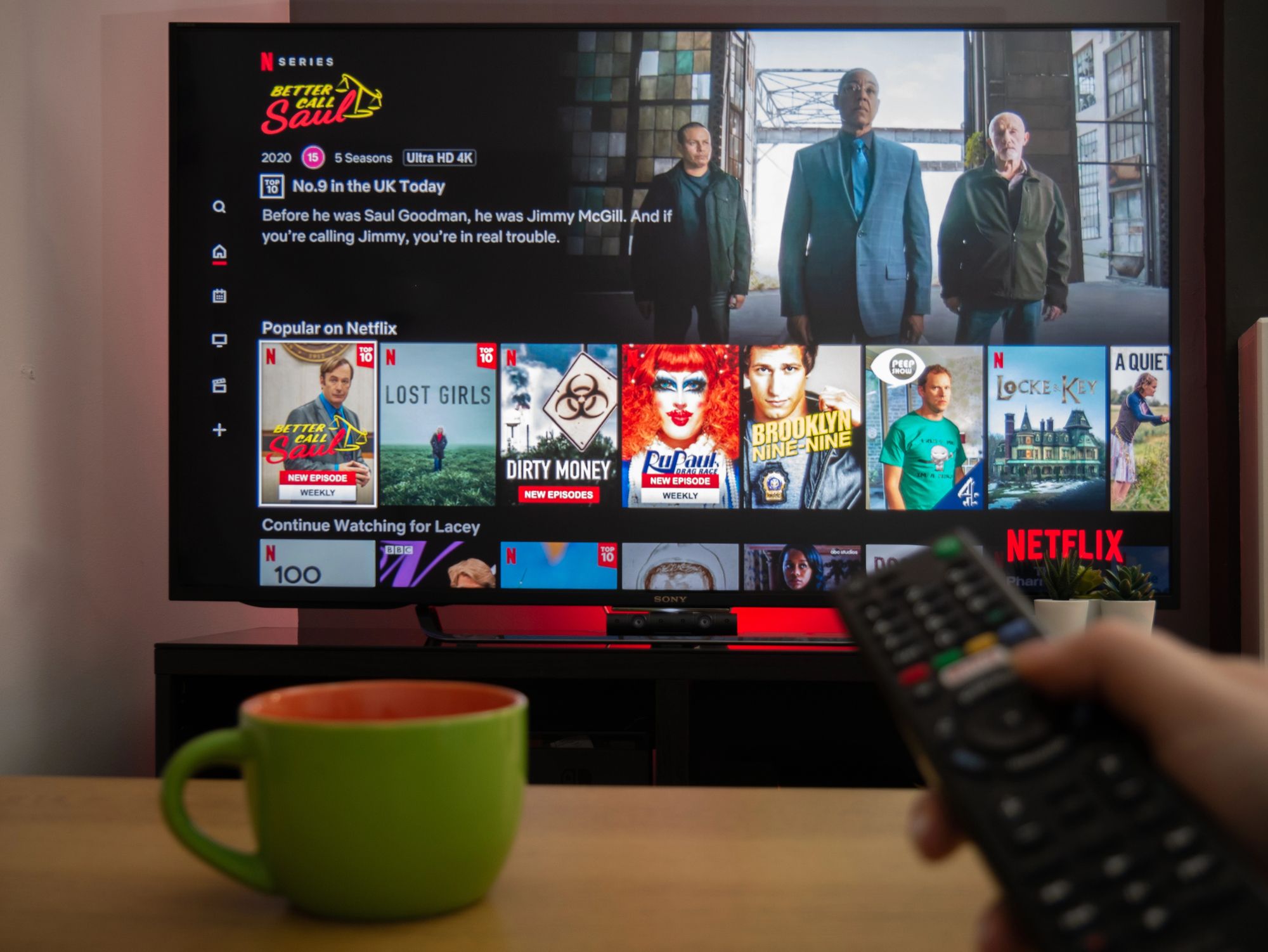
Netflix (NASDAQ: NFLX) is trading around $87.66, down about 21% over the past year and roughly 35% from its 52-week high near $134. That is a major reset for a company that still dominates streaming.
The stock has been under pressure for three main reasons: slower sales growth, margin visibility concerns, and the failed bid for Warner Bros. Discovery.
The market wanted a cleaner growth story. Instead, it got more spending, more competition, and more questions.
The company reminded everyone how big the machine is
Netflix said it has invested more than $135 billion in film and TV over the past decade.
Over that same period, it said its productions contributed more than $325 billion to the global economy and created more than 425,000 production jobs. It also ended 2025 with more than 325 million paid members.
That number matters because Netflix is not just another streaming app. It is the largest global content engine in the industry.
Q1 was better than the stock reaction
Netflix’s Q1 2026 shareholder letter showed revenue growth of 16% year over year and operating income growth of 18%. Operating margin came in at 32.3%, above 31.7% a year earlier. Diluted EPS was $1.23, up 86% year over year.
The company also maintained full-year 2026 guidance for $50.7 billion to $51.7 billion in revenue and a 31.5% operating margin.
The stock sold off because investors wanted better forward margin comfort. The actual business performance was solid.
Never Miss Our Top Tech Recommendations Again!
We now send our tech picks via text, too, so you’ll get the same tech breakout news without having to open your inbox.
What The Business Actually Does
The simple version
Netflix sells global entertainment subscriptions, ads, live programming, and a growing set of new entertainment products.
Why that still matters
The core advantage is scale. Netflix can spend heavily on content, spread that cost across a massive global subscriber base, and turn successful shows into global cultural events. That is hard to replicate.
Non-English titles now represent more than one-third of viewing, up from less than one-tenth a decade ago. That means Netflix is no longer dependent on U.S. hits alone.
Global content is now a real advantage, not a nice side project.
Global Focus (Sponsored)

When DeepSeek hit the headlines, Nvidia dropped nearly $600 billion in a single session.
Every investor felt it: What if China just won the AI race? But behind closed doors, America has already fired back — with a hidden project at the same Tennessee lab that built the atom bomb.
40,000 scientists.
A device trillions of times more powerful than anything China has built.
A $100 trillion AI reset on the way.
Billion-dollar money manager Louis Navellier has identified the one stock that wins this arms race.
This ad is sent on behalf of InvestorPlace Media at 1125 N. Charles Street, Baltimore, Maryland 21201. If you're not interested in this opportunity, please click here.
Trivia: How much did Amazon's market cap decline in 2022 — its worst stock performance since going public in 1997? |
Why The Market Cares
1) The ad business is the next margin lever
Advertising is the clearest growth lever from here. Netflix expects ad revenue to roughly double in 2026, and management is building its own ad technology platform to reduce reliance on outside partners.
That matters because ad revenue can raise monetization without relying only on subscription price hikes.
2) Pricing power is still intact
Netflix has raised prices across multiple markets without destroying demand. That is one of the biggest reasons the stock deserves a premium.
If a platform can raise prices, grow globally, and keep churn under control, margins have room to expand over time.
3) Live events add another growth lane
Live content is becoming a bigger part of the strategy. Boxing, NFL games, and other event-style programming give Netflix more ad inventory and more appointment viewing.
That is important because traditional streaming can feel passive. Live events create urgency, and advertisers pay for urgency.
Financial Shift (Sponsored)
In April 2026, the Treasury executed a $15 billion buyback – the largest in history.
That same day, insiders warned of collapsing demand for U.S. bonds.
That’s not normal – it’s a warning.
I’ve spent decades analyzing these signals as a Chartered Financial Analyst and a Chartered Market Technician, and this is what happens before major monetary shifts.
See the four plays tied to this moment here.
What The Financials Are Signaling
This is still a cash-flow story
Netflix generated roughly $11.9 billion in trailing twelve-month free cash flow, according to the valuation work you provided. That is the key reason the stock remains attractive after the drop.
The market can argue about content spend and margins. It cannot ignore that Netflix is now a serious free-cash-flow business.
The margin debate is real
Bernstein cut its price target to $110 from $115 while keeping an Outperform rating, citing weaker margin visibility and higher content, technology, and marketing spending.
The concern is not fake. Investors want proof that operating margins can move from the high-20s/low-30s toward the mid-30s over the next few years.
That is the right debate. The stock’s next leg depends on margin expansion, not just subscriber scale.
The Valuation Problem No One Should Ignore
The stock looks reasonably priced again
At around 28x earnings, Netflix is not cheap in an absolute sense, but it is cheaper than it was when growth expectations were higher.
A valuation model using 11.7% revenue CAGR, 34.9% operating margins, and a 24.6x exit P/E points to a target near $134, or roughly 53% upside from the current price over about 2.6 years.
That is a strong return profile if the margin path holds.
But the stock needs margin proof
The market is no longer rewarding Netflix just for being Netflix. Investors want evidence that ads, pricing, live content, and content discipline can support the next phase of earnings growth.
The action is clear: buy the reset only if you believe the company can push margins higher without starving content quality.
What Needs To Happen Next
Ads need to scale faster
Netflix needs to prove the ad tier is more than a subscriber acquisition tool. It needs to become a profit engine. Watch ad revenue growth, advertiser adoption, and progress on the internal ad tech platform.
Content spending needs to stay efficient
Netflix spent more than $16 billion on programming in 2025. That spending is necessary, but it has to keep producing global hits. The company does not need to spend less. It needs to spend better.
Live content needs to monetize
Live events only matter if they bring in viewers and ad dollars. If Netflix turns live programming into premium ad inventory, the stock gets a stronger second-growth pillar.
The Risks You Should Take Seriously
Margins are the key risk
If content amortization, marketing, and technology spending keep rising faster than revenue, the stock stays stuck.
Competition is still expensive
Disney, Amazon, Apple, YouTube, and regional players are still spending. Netflix is the leader, but leadership in streaming requires constant reinvestment.
The Warner Bros. miss adds pressure
The failed Warner Bros. Discovery bid took away a potential scale move. Netflix can still grow organically, but the market now wants proof that management has enough growth levers without a major acquisition.
How I’d Frame A Position
Buy the reset, but demand margin progress
Netflix is still the best business in streaming. The stock is down because investors are questioning the next layer of earnings growth, not because the company is broken.
If you already own it, hold. If you are not in, start building a position here, but add in stages. Add more only if ads scale, margins hold above guidance, and free cash flow keeps growing.
Bottom Line
Netflix is still a dominant global entertainment platform with scale, pricing power, strong free cash flow, and a growing ad business.
The stock’s pullback gives you a better entry into a better business than most media peers can offer.
The risk is margin disappointment. If ads and live content do not drive operating leverage, the stock stays range-bound. If they do, the rebound case is strong.
Action Recap
✅ What’s working: Global scale, strong free cash flow, pricing power, and a growing ad business
✅ What to watch: Ad revenue growth, operating margin progress, live content monetization, and content efficiency
⚠️ Big risk: Higher content and marketing spend keeps margin expansion below expectations
🧭 Best mindset: Buy the reset in stages. Hold if you already own it. Add only when ad growth and margin progress confirm the rebound.
That's our coverage for today; thanks for reading! Reply to this email with feedback or any tech stocks you want me to check out.
Best Regards,
—Noah Zelvis
Tech Stock Insider